
Some recording sessions remind me why I became an engineer in the first place. This session with pianist Cajan Witmer and bassist Peter Bjørnild was one of those mornings where every decision was guided by a single question: how can we capture the performance as truthfully as possible?
On a quiet Wednesday morning we had Studio 2 at our disposal. The grand piano had just been tuned, the room was silent, and everything was ready before the musicians arrived. From the technical perspective, the concept of this recording was built around two simple principles.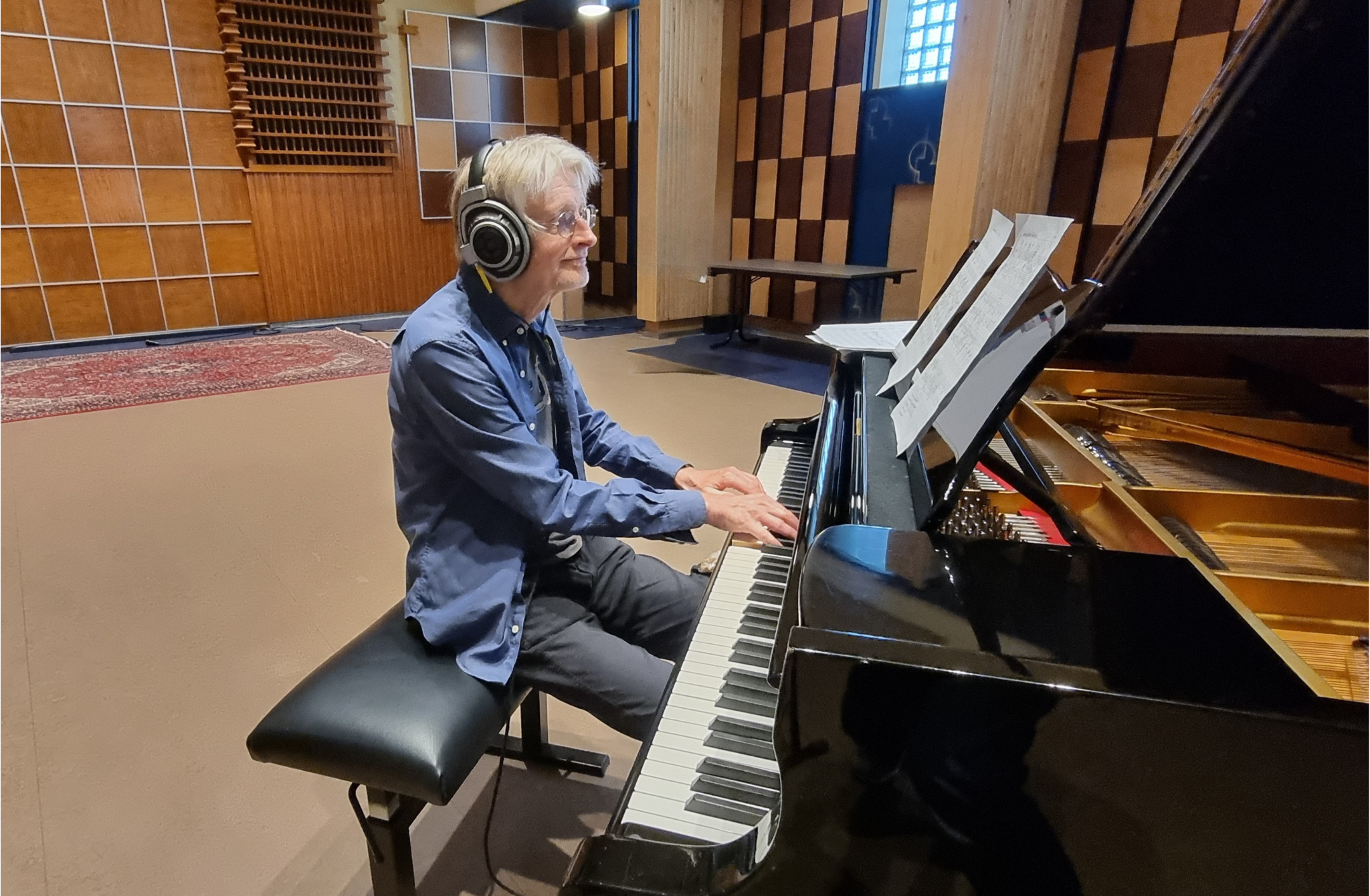
The first was the piano. Instead of using multiple microphones, we recorded the entire instrument with a single Josephson C700S stereo microphone. Over the years we have become increasingly convinced that this approach delivers something special. By avoiding the usual collection of closely spaced microphones, we also avoid many of the time-alignment and phase issues that inevitably come with them. The result is remarkably coherent. Listening back, it feels as if the piano is simply standing in front of you, and you are witnessing the performance rather than listening to a recording.
Peter played a P-bass on this session. We decided to capture his sound directly through a high-quality DI. We experimented with adding a bass amplifier, but in this particular case it contributed very little. The direct signal had the clarity, warmth and definition we were looking for, so we stayed with the simpler solution.
Finding the right microphone position took a little time. We moved the C700S forwards and backwards several times until the perspective felt just right. Our monitoring system, the LX521 "The Reference," makes these decisions surprisingly straightforward. It tells you immediately when the distance feels natural and when the recording starts to breathe.
From the beginning we had imagined the soundstage with the bass slightly to the left and the grand piano to the right. With a one-point stereo microphone there is another important consideration. If you want the listener to almost "see" the hammers striking the strings, the piano has to be positioned with the keyboard facing away from the microphone. That naturally places the instrument on the right-hand side of the stereo image, exactly where we wanted it.
Another conscious decision was to leave the room untouched. We often bring in acoustic gobos to make the studio slightly drier, but this time we chose not to manipulate the acoustics at all. We wanted to hear Studio 2 exactly as it is: neutral, open and honest. Sometimes the best engineering decision is simply to leave well enough alone.
Everything was recorded in Pure DSD256 using Pyramix. Both the Josephson microphone and the DI signal remained in the DSD domain throughout the entire recording and mixing process. The recorded tracks left Pyramix one-to-one through a D/A converter into the analogue mixing chain. At no point was the audio converted to PCM.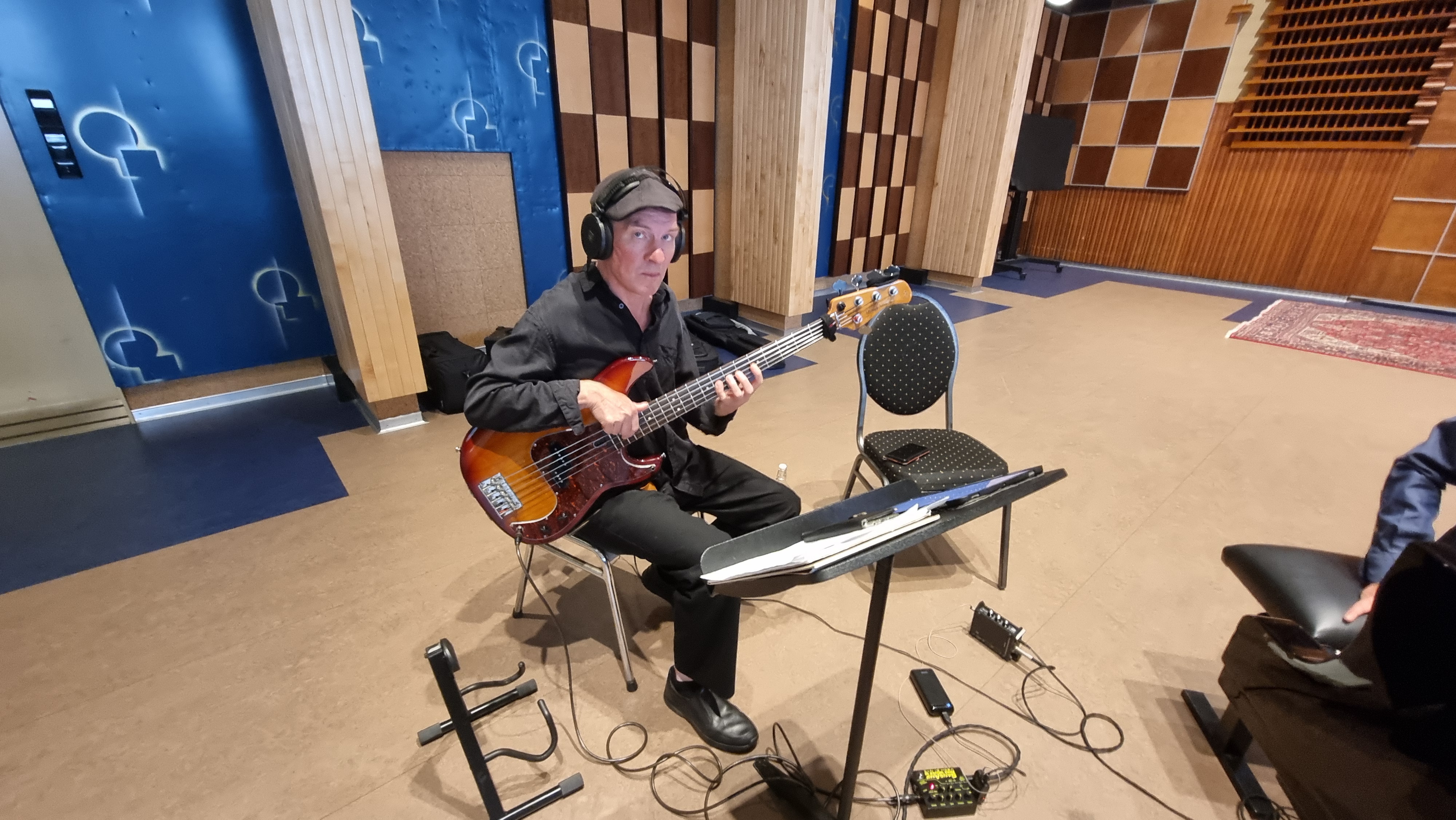
Ever since we experienced that unmistakable goosebump feeling with DSD256 recordings, it has become very difficult to work any other way. The sonic rewards are obvious, but there is also a discipline that comes with it. Unlike a PCM workflow, you cannot rely on plug-ins, EQs or compressors after the fact. Most of those decisions have to be made in the analogue domain before the recording is finished.
For me as an engineer, and I suspect for the musicians too, this changes how you approach the session itself. You go in more deliberately, because there is no "we'll fix it in the mix." If something isn't right, you move the microphone. You don't reach for an EQ curve or a touch of reverb to paper over it.
I think that discipline is audible in this recording. There's a calm to it, a settledness, that I believe only comes from one stereo microphone (plus a bit of DI), and a session recorded and mixed, in analog, entirely in DSD256.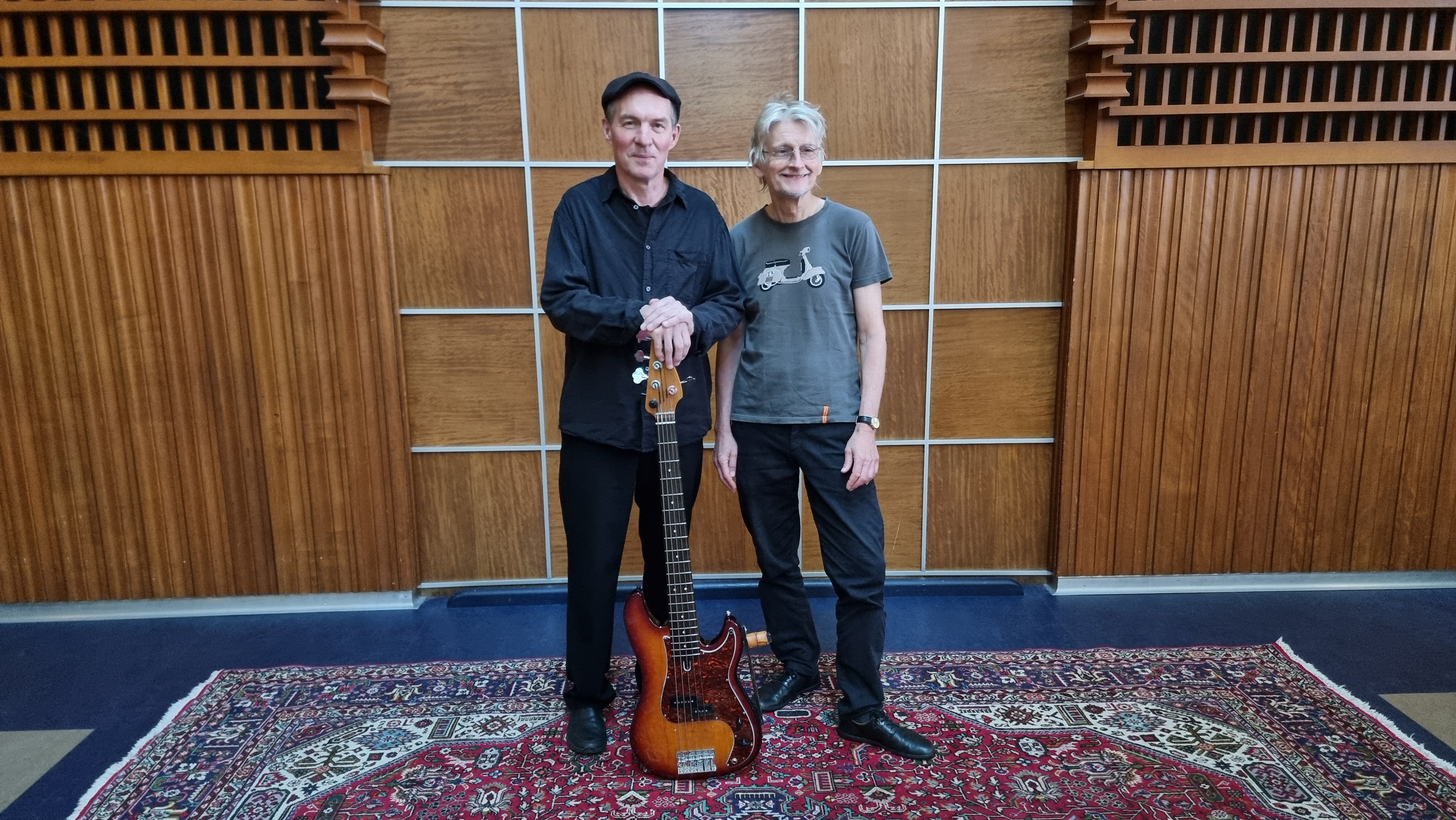
Visit Sound Liaison and give it a listen. The album will be available in autumn 2026.